
July 14, 2026 at 07:07 AM 2 min readhealthevergreen
Clinical Study Validates Peripherics Paclitaxel-Coated Balloon
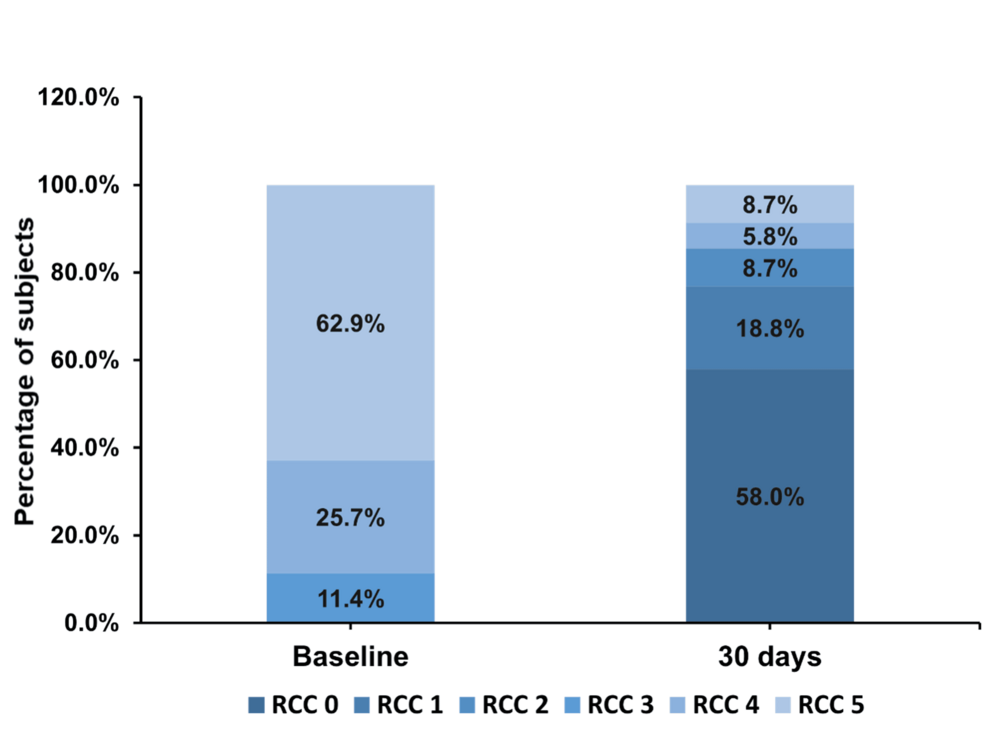
Peripherics Balloon Catheter Performance:
A multicenter post-market study has provided clinical evidence regarding the safety and performance of the Peripherics Paclitaxel-Coated Balloon Catheter in treating below-the-knee arteries. The study, published in Cureus, underscores the importance of technological advancements in peripheral artery disease treatment. By evaluating patient outcomes across multiple clinical centers, researchers assessed how these catheters function in real-world scenarios for patients with complex vascular conditions.
Clinical Significance and Methodology:
Paclitaxel-coated balloons represent a standard intervention aimed at preventing restenosis, which is the re-narrowing of blood vessels following a procedure. The study focused on assessing the durability and efficacy of the Peripherics device specifically in the challenging environment of below-the-knee anatomy, which is notoriously difficult to treat due to smaller vessel diameters and complex calcifications. This post-market data collection provides essential insights for vascular surgeons and interventional radiologists who manage severe arterial blockages.
Implications for Vascular Care:
The results are expected to inform future clinical practices and device adoption strategies in hospital systems. Given the high prevalence of diabetic foot complications and peripheral artery disease in India, such advancements in vascular technology are highly relevant to improving long-term limb salvage outcomes. Medical professionals are advised to review the specific performance metrics detailed in the study to better understand how this balloon catheter integrates into current vascular treatment algorithms to reduce recurring interventions.
Pulse Intelligence
AI AnalysisContext & Background
- Peripheral artery disease affects a significant portion of the global population, particularly those with diabetes.
- Drug-coated balloons have become a critical component in endovascular interventions to maintain vessel patency after angioplasty.
Key Consequences
- The findings may influence hospital procurement decisions for vascular medical devices.
- Enhanced understanding of catheter performance could improve treatment strategies for patients with severe artery blockages.
Market & Economic Impact
No direct market impact.