
June 26, 2026 at 07:12 AM 2 min readhealthanalysis
CKM Syndrome Stage 1: Redefining Obesity as a Critical Health Risk
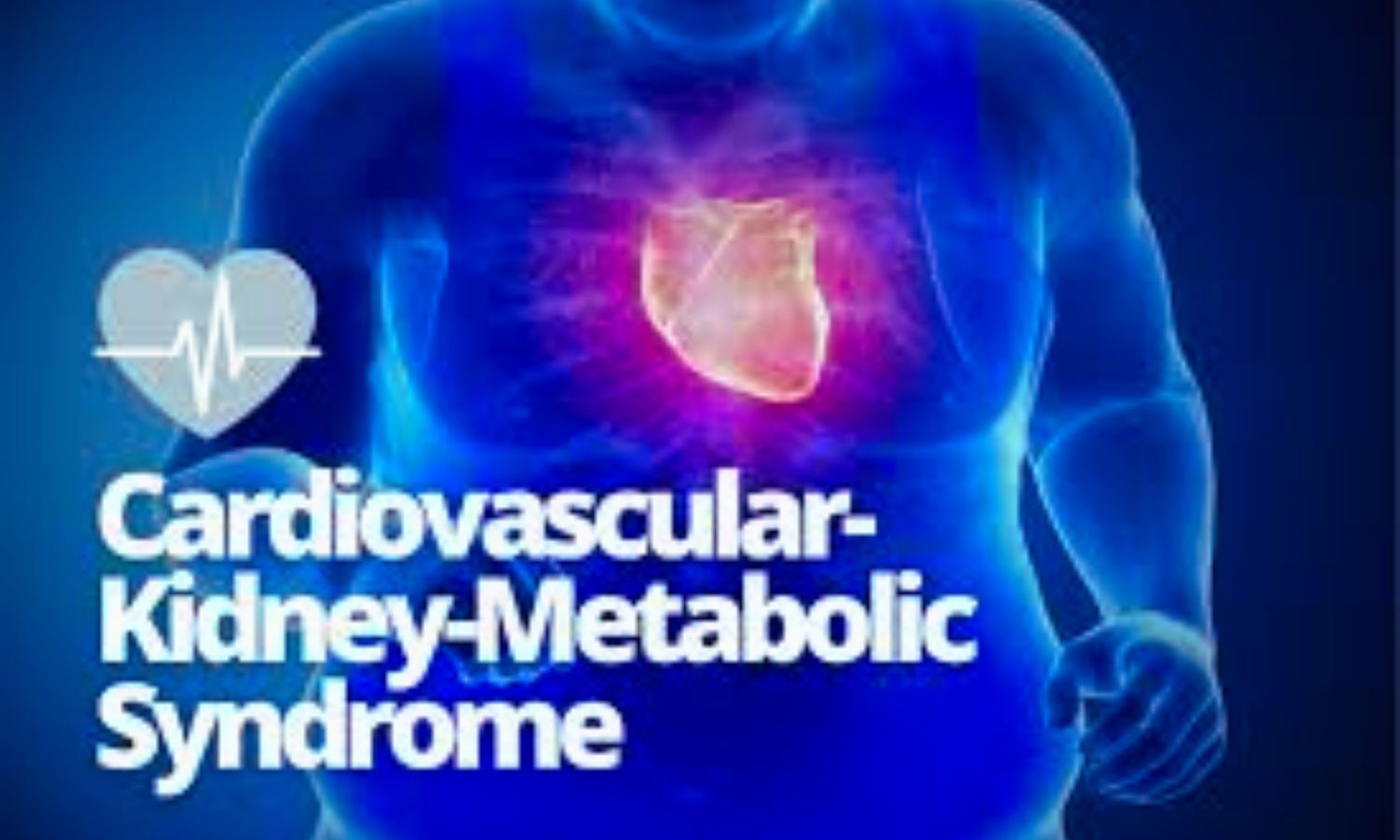
CKM Syndrome Framework:
A 2026 cardiovascular-kidney-metabolic (CKM) guideline has introduced a new disease continuum that links obesity, diabetes, kidney issues, and heart disease. Stage 1 CKM syndrome is identified not by existing organ failure, but by the presence of dysfunctional adiposity, or unhealthy fat accumulation. This proactive classification marks a shift in preventive medicine, as obesity is now recognized as the metabolically active starting point that triggers systemic inflammation and insulin resistance long before clinical diagnosis of diabetes or heart disease.
Specific Risks for Indian Populations:
India presents a critical case study due to the prevalence of the thin-outside, fat-inside (TOFI) phenomenon, where individuals maintain a lower body mass index but possess high levels of dangerous visceral fat. This biological configuration often leads to early-onset metabolic disorders, fatty liver, and hypertension even in individuals who do not appear obese by traditional Western standards. Rapid urbanization, sedentary lifestyles, and diets high in processed foods are further accelerating the progression of CKM syndrome among millions across the country.
Management and Prevention:
Clinical guidelines emphasize lifestyle modification as the primary intervention for Stage 1 CKM syndrome, focusing on therapeutic weight reduction to restore insulin sensitivity and decrease chronic inflammation. Sustainable dietary changes—specifically increasing fiber, whole grains, and fresh produce—are essential. By addressing dysfunctional adiposity early, medical practitioners aim to prevent the progression toward irreversible chronic kidney and cardiovascular failure, potentially transforming public health outcomes across India.
Pulse Intelligence
AI AnalysisContext & Background
- The 2026 AHA/ACC/ADA/ASN Guideline established CKM Syndrome to unify the management of interconnected metabolic diseases.
- Obesity has historically been treated as a cosmetic or lifestyle issue rather than a clinical metabolic disorder.
- Indian medical professionals are increasingly encountering metabolic syndrome markers in patients with standard BMI ranges.
Key Consequences
- Clinicians will likely shift focus toward measuring body fat distribution and metabolic health markers over BMI alone.
- Increased public health messaging will target the dangers of dysfunctional adiposity to prevent later-stage metabolic failure.
- India's health system may face a surge in patients requiring lifestyle interventions to mitigate early-stage CKM progression.
Market & Economic Impact
No direct market impact.