
June 30, 2026 at 10:14 AM 2 min readtechanalysis
Circular Plastic Economy Strategies Reshape Packaging Standards
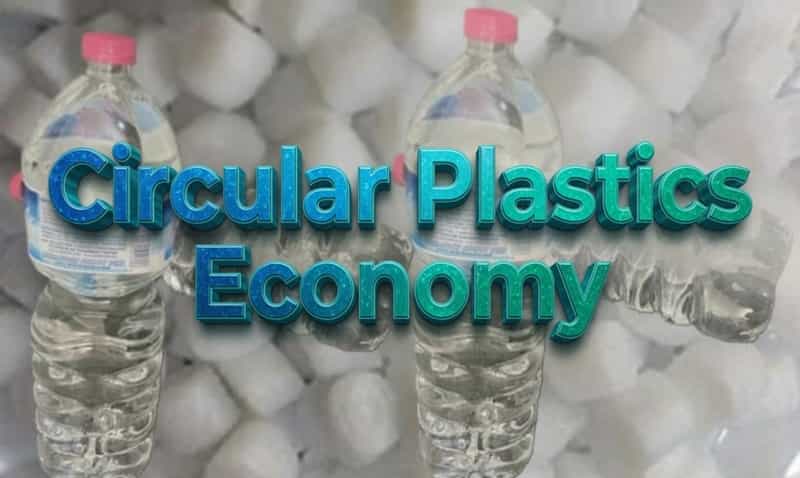
Packaging Industry Shift:
The global packaging industry is undergoing a structural transformation as it transitions toward a circular plastics economy. Brands are increasingly scaling the use of post-consumer recycled (PCR) content and prioritizing reusable packaging designs to meet tightening global regulatory standards. This shift is not merely an environmental effort but an operational necessity as manufacturers adopt more intelligent design philosophies to improve recyclability and reduce material waste at every stage of the product lifecycle.
Drivers of Circularity:
Evolution in recycling technologies has enabled brands to improve the quality of recycled resins, making PCR content more viable for high-end consumer goods packaging. Regulators have intensified their oversight, introducing stricter packaging directives that compel firms to account for the full lifecycle impact of their materials. These external pressures have pushed companies beyond initial sustainability pledges into tangible, large-scale implementation of circular strategies that balance commercial requirements with material efficiency.
Industry Implications:
As the packaging market moves from ambition to execution, firms that invest early in smarter design and advanced recycling infrastructure are gaining a significant competitive edge. The focus has moved toward creating packaging that is inherently easier to process in secondary facilities, thereby lowering the cost and complexity of the recycling supply chain. This trend is expected to influence long-term manufacturing decisions, as companies align their supply chains with the principles of resource longevity and waste reduction to remain compliant in increasingly regulated global markets.
Pulse Intelligence
AI AnalysisContext & Background
- Global packaging regulations have tightened significantly in recent years, forcing firms to move away from single-use plastics to sustainable alternatives.
- Advancements in mechanical and chemical recycling have historically been slow, but recent investments have improved the efficacy of processing post-consumer plastics.
Key Consequences
- Manufacturers will likely see higher costs initially as they overhaul production lines to accommodate recycled plastics and modular designs.
- Consumers should expect more uniform labeling and packaging designs as firms prioritize standardized recycling-friendly materials to comply with new regulations.
Market & Economic Impact
No direct market impact.