
July 2, 2026 at 07:34 AM 2 min readworldanalysis
China Proposes Bangladesh Trade Corridor: Strategic Pivot Challenges India
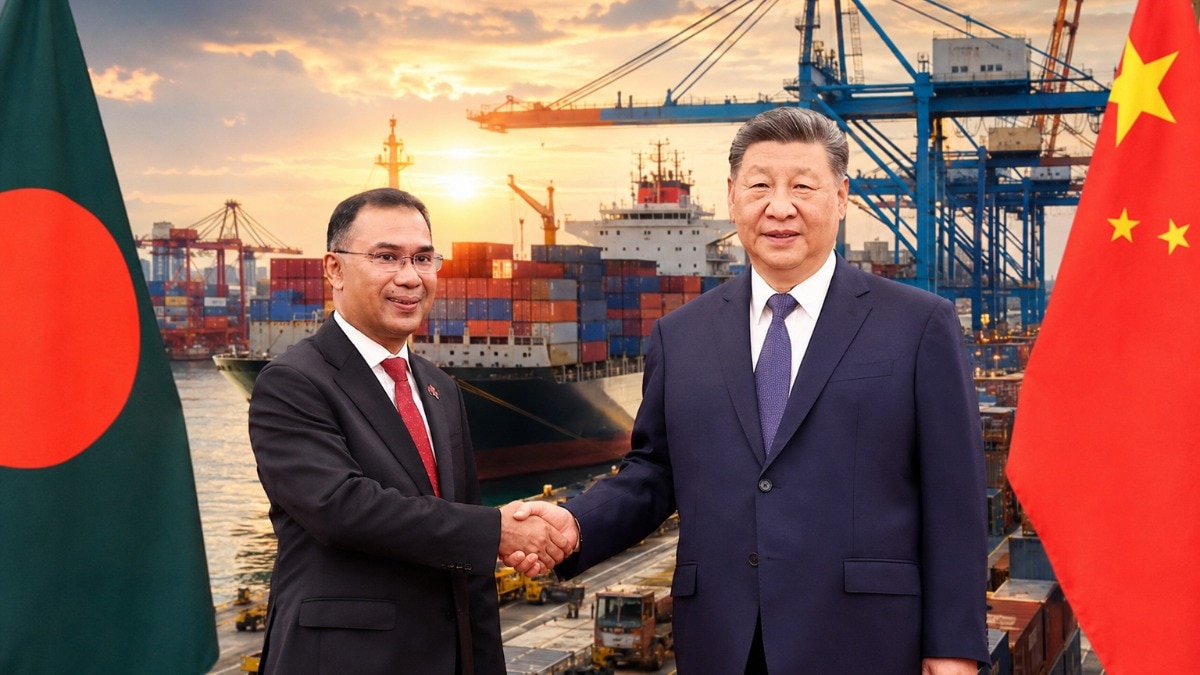
[Chinese Strategic Corridor Expansion]:
China has proposed a new economic corridor through Bangladesh, marking a significant expansion of its regional influence following the China-Pakistan Economic Corridor (CPEC). This initiative aims to establish a direct trade route to the Bay of Bengal, potentially bypassing traditional maritime paths. The proposal comes as Beijing seeks to deepen its strategic footprint in South Asia, leveraging infrastructure investments to secure long-term geopolitical advantages. The development follows a series of high-level diplomatic engagements between Beijing and Dhaka, signaling a shift in Bangladesh's regional alignment.
[Mongla Port Authority Shift]:
A critical component of this pivot involves the strategic Mongla Port, where Bangladesh recently transferred a major terminal project to Chinese developers. This decision effectively ended a long-standing deal with India, which had previously been the primary partner for the port's modernization. The shift highlights the growing competition between New Delhi and Beijing for infrastructure dominance in neighboring territories. Analysts suggest that China's superior financing capabilities and rapid execution timelines are increasingly attractive to regional governments facing economic pressures and infrastructure deficits.
[Implications for Indian Maritime Security]:
For India, the establishment of a Chinese-backed corridor to its east represents a complex security challenge. This development could lead to increased Chinese naval presence in the Indian Ocean, potentially encircling the Indian peninsula with Beijing-aligned ports. The move forces New Delhi to re-evaluate its "Neighbourhood First" policy and accelerate its own regional connectivity projects. As China strengthens ties with Bangladesh, India will likely intensify its diplomatic outreach to ensure its strategic interests and maritime boundaries remain secure amidst shifting regional loyalties.
Pulse Intelligence
AI AnalysisContext & Background
- China has spent over a decade building the Belt and Road Initiative (BRI), with the CPEC in Pakistan serving as its primary South Asian pillar.
- India and Bangladesh have traditionally shared strong infrastructure ties, with recent collaborations including the Chittagong and Mongla port access agreements.
Key Consequences
- India may accelerate its investment in the Kaladan Multi-Modal Transit Transport Project to counter Chinese influence in the region.
- The Bay of Bengal could see increased naval patrolling and surveillance activities from both Indian and Chinese forces.
Market & Economic Impact
Strategic shifts in South Asian port infrastructure may impact regional maritime trade logistics for Indian firms operating in the eastern corridor.