
July 3, 2026 at 10:11 AM 2 min readindiaanalysis
Bombay High Court Quashes Externment Order Against SDPI Leader Saeed Chaudhary
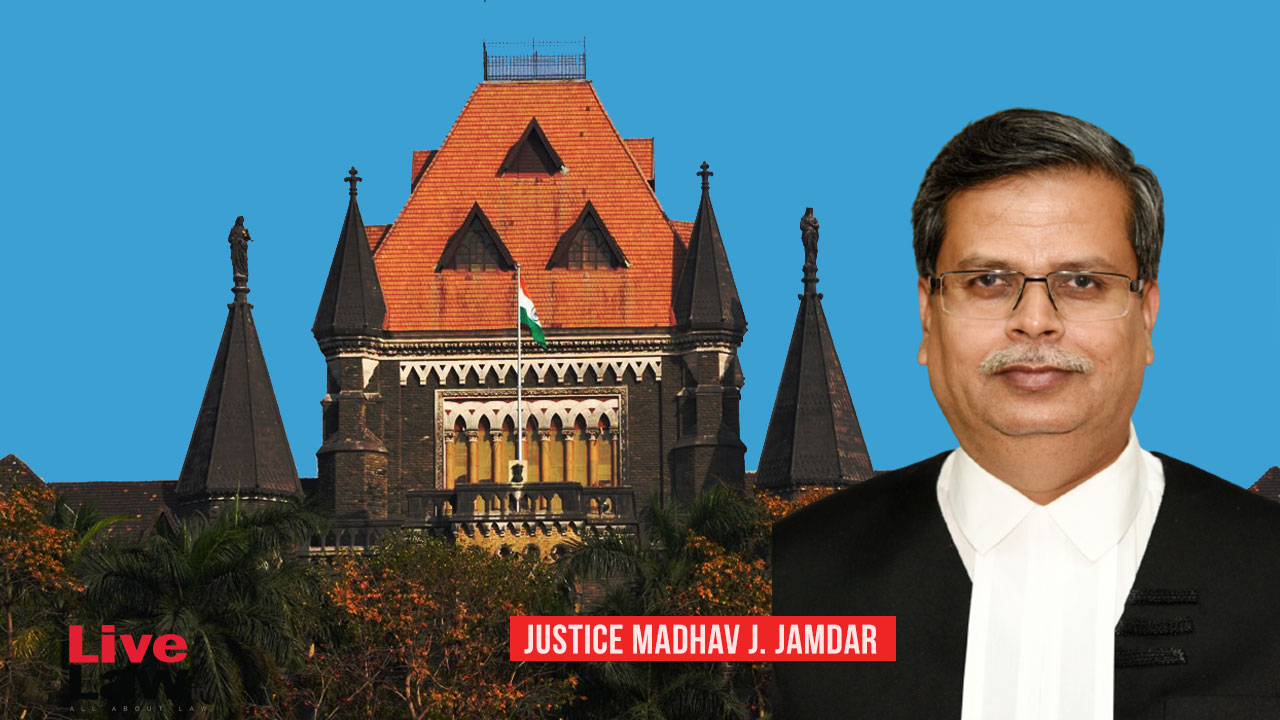
Judicial Rebuke of Externment:
On July 2, 2026, the Bombay High Court quashed an externment order against Saeed Ahmad Abdul Wahid Chaudhary, the general secretary of the Social Democratic Party of India (SDPI). Justice Madhav Jamdar set aside orders issued by the Deputy Commissioner of Police (Zone 6) and the Divisional Commissioner, Konkan Division, which initially barred Chaudhary from the region for one year. The court underscored that political dissent and protesting government policies—including controversial issues like the Gyanvapi Masjid controversy or citizenship law amendments—are fundamental rights protected under the Indian Constitution. The judge explicitly warned that citizens cannot be treated as "slaves" of the government and police are public servants, not tools of political executives.
Police Accountability and Dissent:
The legal challenge followed Mumbai Police’s attempt to use five FIRs related to peaceful Morchas and Dharnas to justify the move. Justice Jamdar questioned the rationale of using such extreme administrative measures, noting that raising slogans against officials or leaders does not constitute a valid threat to public order. The court’s remarks serve as a significant check on the misuse of the Maharashtra Police Act, which is intended to control habitual criminals rather than silencing political opposition or suppressing civil liberties. This case highlights a concerning trend where administrative powers are used to displace individuals for expressing ideological differences.
Broader Implications for Civic Space:
Beyond the specific case of Saeed Chaudhary, the court commented on the deteriorating political climate in Maharashtra. Justice Jamdar expressed alarm over prioritizing political defections and horse-trading over governance. By invalidating this order, the court has reinforced the democratic right to critique those in power without facing physical exile. This judgment sets a vital legal precedent that will likely constrain the discretionary power of local police departments, emboldening peaceful activists and ensuring that participation in public demonstrations remains protected under the law.
Pulse Intelligence
AI AnalysisContext & Background
- Saeed Ahmad Abdul Wahid Chaudhary faced a one-year externment order issued by local police based on five FIRs from protest activities.
- The activist was targeted for leading public demonstrations against various Union Government decisions and citizenship laws.
- The Bombay High Court has previously intervened in multiple petitions regarding the misuse of police powers and the curbing of civil liberties.
Key Consequences
- Police departments across Maharashtra will likely be forced to re-evaluate their criteria for filing externment notices against political figures.
- Political activists will gain stronger legal standing to challenge similar city-ban orders in higher courts.
- The ruling may lead to a decrease in the preventive usage of externment against individuals participating in peaceful political dissent.
Market & Economic Impact
No direct market impact.