
June 18, 2026 at 07:14 AM 2 min readhealthanalysis
Biological Aging Test Breakthroughs Could Predict Disease Risks Years Before Onset
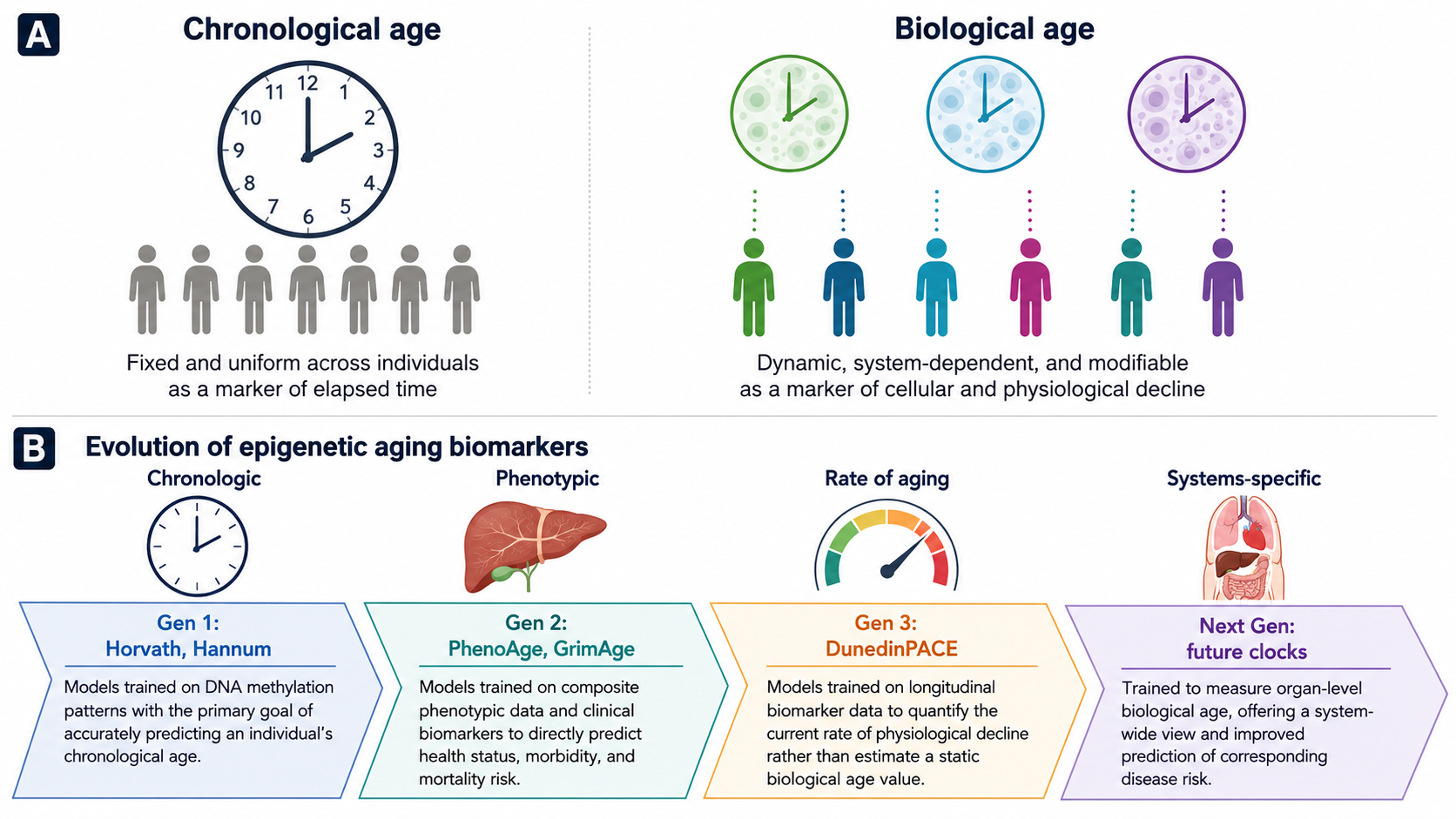
Emerging Diagnostic Technology:
Recent advancements in biological aging tools are enabling scientists to estimate the health status of individual organ systems through precise blood-based indicators. These new testing methodologies leverage plasma proteomic signatures to provide a granular view of cellular health, effectively predicting susceptibility to diseases years before traditional clinical symptoms manifest. This development marks a shift in preventive medicine, moving toward early detection using molecular biological benchmarks.
Data-Driven Healthcare Shifts:
The emergence of these biological age assessments follows extensive research into proteomic profiles that correlate with aging processes across the human body. By isolating markers for 11 separate organ systems, researchers aim to provide a personalized roadmap for preventative health, allowing for targeted medical interventions. However, the integration of such high-resolution health data into standard clinical practice requires robust accountability frameworks to ensure that results drive actionable policy and program reform rather than mere diagnostic monitoring.
Strategic Implications for Public Health:
The broader adoption of organ-specific aging tests in India would require a parallel expansion in high-precision laboratory infrastructure. While the scientific potential for reducing long-term disease burden is significant, policymakers must balance the excitement around such predictive capabilities with the need for ethical implementation and equitable access. The successful deployment of these tools will depend on establishing trust between healthcare providers, regulatory bodies, and patients regarding the use of such sensitive biological data.
Pulse Intelligence
AI AnalysisContext & Background
- Researchers have long sought reliable biomarkers to measure biological age versus chronological age to improve health outcomes.
- Technological improvements in proteomics have made it possible to scan blood plasma for specific indicators of organ function.
Key Consequences
- Preventive healthcare models may shift toward early risk identification based on molecular aging markers.
- Increased demand for high-end diagnostic testing services is expected as these technologies move into the commercial sector.
- Healthcare systems may require new guidelines for data privacy and ethical communication of predictive health test results.
Market & Economic Impact
Healthcare diagnostic companies and biotech firms may see increased investment interest in predictive diagnostics platforms.