
June 26, 2026 at 07:37 AM 2 min readtechanalysis
Beatbot AquaSense 2 Ultra Debuts Smart AI-Powered Pool Cleaning
Advancements in Robotic Pool Maintenance:
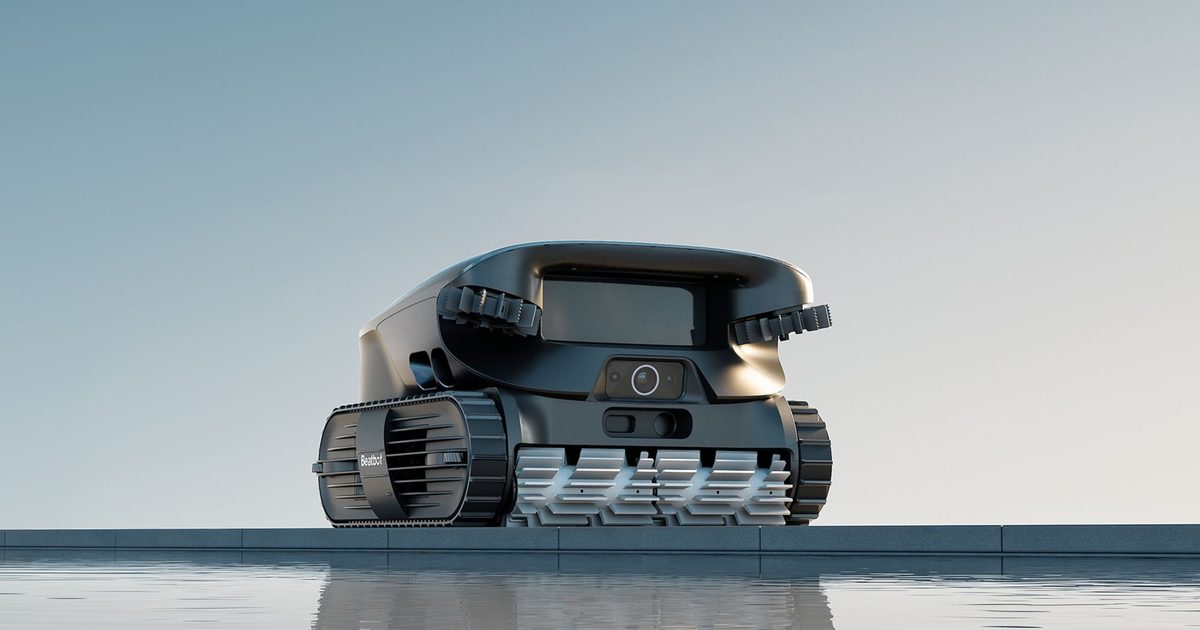
The release of the Beatbot AquaSense 2 Ultra marks a notable transition in robotic pool cleaning, as it integrates AI-driven navigation into home maintenance equipment. Unlike traditional robotic cleaners that rely on repetitive, pre-programmed patterns, this model utilizes a 5-in-1 system incorporating an AI camera, infrared sensors, and ultrasonic sensors to map pool dimensions, slopes, and obstacles prior to operation. This proactive mapping aims to solve common user frustrations, such as missed cleaning sections and redundant passes in irregular or multi-level pool layouts.
Reducing User Intervention:
The core objective of the AquaSense 2 Ultra is to minimize the amount of manual oversight required for pool management. By combining surface skimming, waterline scrubbing, and water clarification with adaptive path planning, the device attempts to consolidate tools that traditionally required several different pieces of equipment. This integration is supported by a submarine propulsion system designed to move fluidly between cleaning zones, including tanning ledges and shallow entries, which have historically posed navigation challenges for consumer-grade robots.
Market Context for AI Hardware:
This release highlights the broader integration of AI across consumer technology sectors, moving beyond mere marketing terminology to functional, environment-aware automation. As consumers increasingly prioritize time-saving convenience, the performance gap between conventional cleaners and intelligence-based systems becomes a key competitive differentiator. While the efficacy of these systems is typically tested by complex pool geometries, the move toward smart sensors and real-time mapping indicates a significant shift in the smart-home robotics industry aimed at reducing routine household chores.
Pulse Intelligence
AI AnalysisContext & Background
- Robotic pool cleaners have evolved from simple corded suction devices to sophisticated cordless units with app-based controls.
- Conventional pool cleaning robots often struggle with complex geometries, such as curves, steps, and varying pool depths.
- AI has recently become a primary focus in consumer electronics, with manufacturers increasingly incorporating sensor-based mapping into cleaning hardware.
Key Consequences
- The success of AI-driven pool robots may drive other manufacturers to integrate similar sensor-fusion technologies into cheaper models.
- Increased consumer expectation for 'zero-oversight' maintenance may lower market tolerance for older, non-mapped cleaning devices.
- Higher retail prices for AI-enabled hardware could lead to a two-tier market for pool maintenance tools.
Market & Economic Impact
No direct market impact.