
June 29, 2026 at 05:06 PM 2 min readindiaanalysisAI Image
Indian Army Chief Unveils Specialized Baaz Battalions for Drone Warfare
Modernizing Combat Architecture:
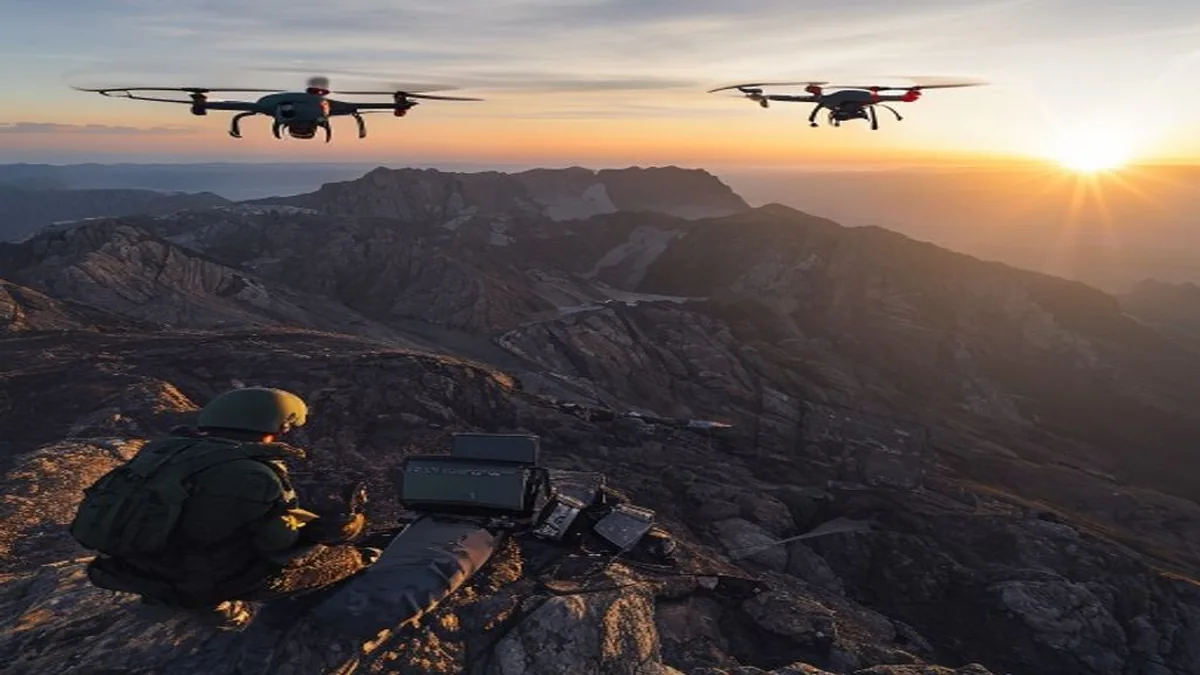
General Upendra Dwivedi, the Chief of Army Staff (COAS), has officially confirmed the formation of specialized 'Baaz' battalions. These units represent a strategic shift from traditional inventory management to a modern, drone-centric military doctrine. Designed to house large-scale drone and Remotely Piloted Aircraft (RPA) operations, these battalions will serve as the primary nodes for high-altitude surveillance and long-range strike capabilities, significantly enhancing the Army’s situational awareness along the border with China.
Tech-Enabled Warfare:
The establishment of Baaz units is part of a broader push to integrate autonomous systems into every layer of military decision-making. By leveraging advanced aerial technology, the Army intends to reduce human reliance on hazardous patrols while drastically cutting reaction times to border intrusions. Supporting this initiative, the National Defence Academy at Khadakwasla has introduced a dedicated drone training lab, ensuring that future officers are fully equipped to operate these sophisticated systems in complex, contested environments.
Strategic Self-Reliance:
This expansion aligns with the 'Make in India' initiative, emphasizing the procurement of indigenous drone technologies to maintain tactical superiority and reduce dependence on foreign suppliers. General Dwivedi has characterized this development as a milestone in current modernization efforts, ensuring the military is prepared for modern, tech-driven conflict scenarios. As these battalions become operational, they are expected to serve as a cornerstone of India’s deterrence strategy, ensuring that digital intelligence and autonomous air power remain at the forefront of the nation's operational strength in the northern sector.
Pulse Intelligence
AI AnalysisContext & Background
- The Indian Army has been prioritizing the acquisition of indigenous drone technology for surveillance and strike capabilities over the last two years.
- General Upendra Dwivedi has emphasized the critical need for modernizing the force to effectively handle challenges along the China border.
- Regional border incidents have highlighted the vital necessity for the real-time, persistent surveillance capabilities that drone fleets provide.
Key Consequences
- The deployment of Baaz battalions will likely trigger a rapid increase in demand for local defense drone manufacturers and AI software providers.
- The Army will require significant upgrades in existing communication and data-linking infrastructure across forward airbases to support drone operations.
- The success of these units will likely influence other branches of the Indian Armed Forces to accelerate their own drone-centric organizational reforms.
Market & Economic Impact
The shift toward drone-centric military infrastructure will likely benefit domestic aerospace and defense firms supplying unmanned systems.