
July 7, 2026 at 11:10 AM 2 min readautoanalysis
ARAI Research Highlights Potential E20 Fuel Impact on Older Vehicles
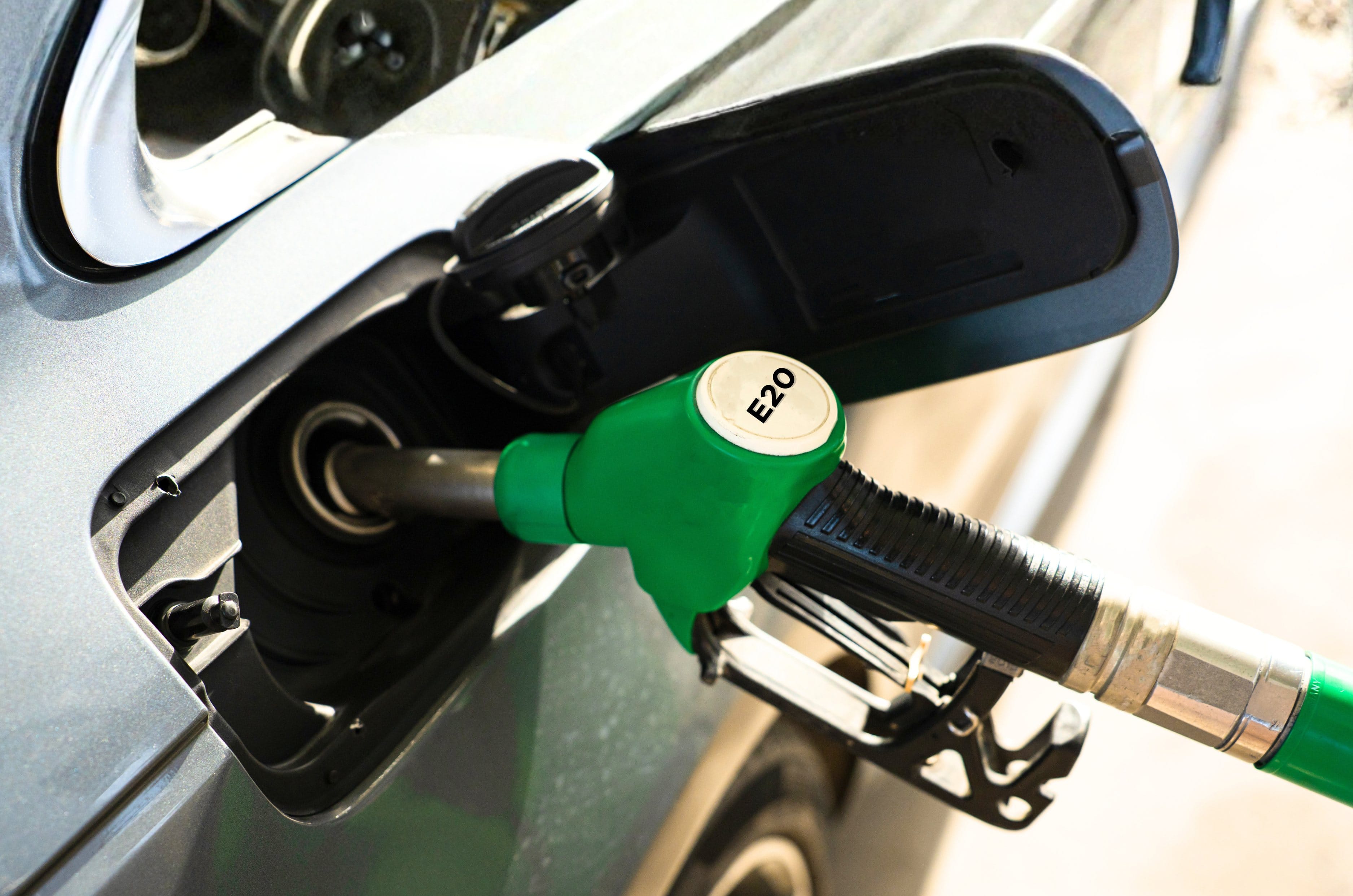
ARAI Research on Ethanol Blending:
A long-standing 2021 study by the Automotive Research Association of India (ARAI) has resurfaced, detailing the potential effects of E20 fuel on vehicle fuel systems. While the study concluded that the impact on metals and their coatings remains insignificant, it identified specific risks for certain plastic and rubber components. Findings indicated increased deterioration in NBR-PVC blends, Epichlorohydrin, and PA66 materials over prolonged exposure compared to baseline E10 fuel, raising questions for owners of older, E10-compatible vehicles.
Scientific Methodology and Findings:
The ARAI research subjected various fuel-system components to laboratory immersion tests using E20 and E10 fuels. Investigators monitored changes in physical properties including mass, volume, tensile strength, hardness, and elongation to assess material longevity. Beyond material degradation, these tests provide a baseline for understanding how higher ethanol blends interact with modern fuel systems. The findings highlight the complex engineering challenges involved in transitioning vehicle fleets to higher biofuel concentrations.
Long-term Implications for Indian Owners:
This research arrives amid ongoing public discourse regarding the rapid transition to E20 petrol across India. Industry experts and consumer groups continue to monitor the long-term reliability of engines designed for lower ethanol blends, especially concerning exhaust valve stability and rubber degradation. While the Indian government pushes for increased ethanol blending to reduce dependence on crude oil imports, such technical findings highlight the necessity for rigorous material standards. Consumers with older vehicles should remain vigilant and consult official service guidelines to maintain their fuel systems effectively.
Pulse Intelligence
AI AnalysisContext & Background
- The Indian government has accelerated its roadmap for E20 fuel implementation to achieve energy security goals.
- Prior reports from NITI Aayog have previously suggested that ethanol blending can reduce vehicle fuel efficiency by up to 6 percent.
Key Consequences
- Automakers may face increased pressure to update material specifications for fuel-system components in future iterations.
- Owners of older, E10-only vehicles may see higher maintenance requirements for rubber and plastic seals over time.
Market & Economic Impact
No direct market impact.