
June 27, 2026 at 07:36 AM 2 min readtechdeveloping
Google Android Earthquake Alerts System Gains Attention Following Venezuela Tremors
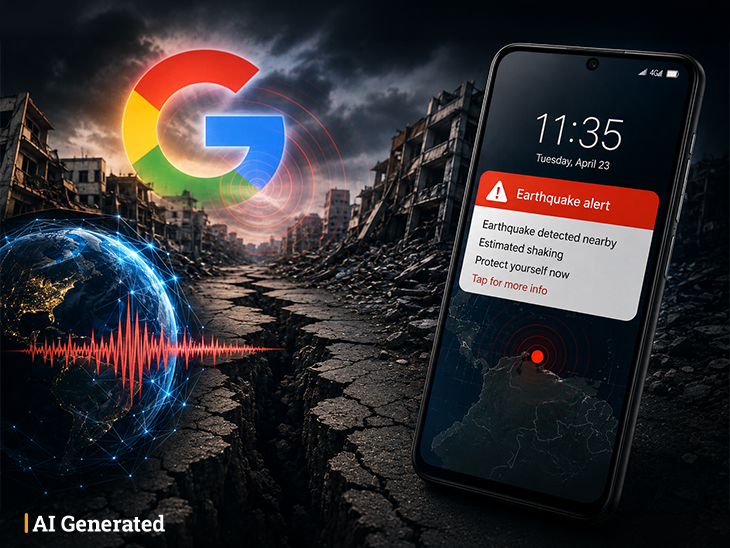
Android Earthquake Detection:
Following recent seismic activity in Venezuela, Google’s Android Earthquake Alerts System successfully delivered early warnings to users before tremors were felt. The system leverages the large network of Android devices worldwide, utilizing built-in accelerometers to act as mini-seismometers that detect P-waves, which travel faster than the more destructive S-waves.
Technological Mechanism:
When an Android phone detects movement consistent with an earthquake, it sends a signal to Google’s detection server along with the location of the vibration. The system then triangulates this data against inputs from thousands of other devices in the vicinity to confirm the seismic event. Once verified, the system issues an automated warning to Android users in the affected zone, providing critical seconds of notice to seek cover.
Global Safety Implications:
This technology is increasingly vital in earthquake-prone regions where traditional government-run infrastructure may be limited or slow to deploy. While the system does not replace dedicated seismic monitoring stations, its ability to provide rapid, localized alerts via existing mobile hardware enhances personal safety for millions of Android users. Further integration into regional emergency response networks continues to be a focal point for global tech safety initiatives.
Pulse Intelligence
AI AnalysisContext & Background
- Google launched the Android Earthquake Alerts System to provide early warnings using crowd-sourced data from millions of smartphones.
- The system has been gradually rolled out to various countries to provide real-time updates during seismic events.
- Traditional earthquake detection usually relies on sparse networks of expensive sensors that may not cover all populated areas.
Key Consequences
- Users in high-risk seismic zones are increasingly relying on smartphone-based alerts for immediate safety responses.
- Tech companies face growing pressure to expand real-time emergency alerting capabilities within standard operating system updates.
- Increased adoption could influence how municipal governments collaborate with private technology firms on disaster management.
Market & Economic Impact
No direct market impact.