
July 4, 2026 at 02:02 PM 2 min readtechanalysis
Android Desktop Mode Experience Falls Short Of Laptop Utility
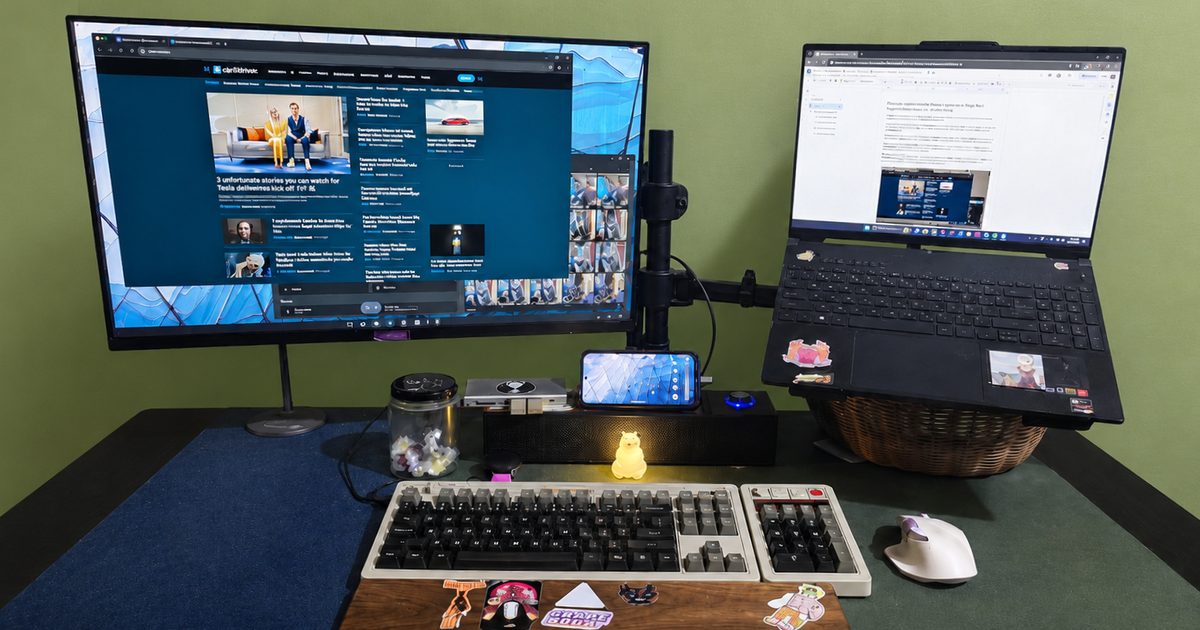
Workstation Limitations:
Modern mobile operating systems increasingly feature desktop-like interfaces, yet practical application often highlights substantial limitations in multitasking and professional workflows. Recent testing of Android desktop mode during a full workday—utilizing tools like WordPress and standard web-based browsers—revealed that the experience fails to replicate the efficiency of a dedicated laptop. While the phone is transformed into a functional display, the lack of seamless peripheral integration and browser optimization makes it difficult for professional tasks.
Performance Gaps:
The core challenge stems from software compatibility and the fundamental way mobile operating systems manage hardware resources compared to traditional desktop operating systems. Accessories and external monitors provide a larger surface area, but the underlying mobile architecture and application behavior remain tethered to touch-first design philosophies. These design constraints hinder power users who require granular window management, complex keyboard shortcuts, and deep system-level integration that desktop environments naturally provide.
Industry Outlook:
The ongoing evolution of Android desktop mode suggests that while the platform is maturing, it currently serves better as a bridge rather than a laptop replacement for high-productivity environments. Significant gaps in long-term battery management, cooling for sustained loads, and software ecosystem compatibility continue to separate smartphones from professional-grade workstations. Manufacturers continue to iterate on these features, but users relying on demanding daily tasks often find a traditional laptop far more reliable and honest in its performance capabilities.
Pulse Intelligence
AI AnalysisContext & Background
- Android desktop mode is a feature designed to extend smartphone utility by providing a desktop-like user interface on external screens.
- The competition to turn smartphones into pocket-sized PCs has been a long-standing goal for major mobile operating system developers.
Key Consequences
- Mobile desktop modes will likely remain supplementary tools rather than primary productivity replacements for professional users.
- Developers may focus on optimizing mobile browser extensions to bridge the gap between phone and desktop workflows.
Market & Economic Impact
No direct market impact.