
July 5, 2026 at 10:07 AM 2 min readaianalysis
AI Microdramas Transform China’s Film Industry Landscape
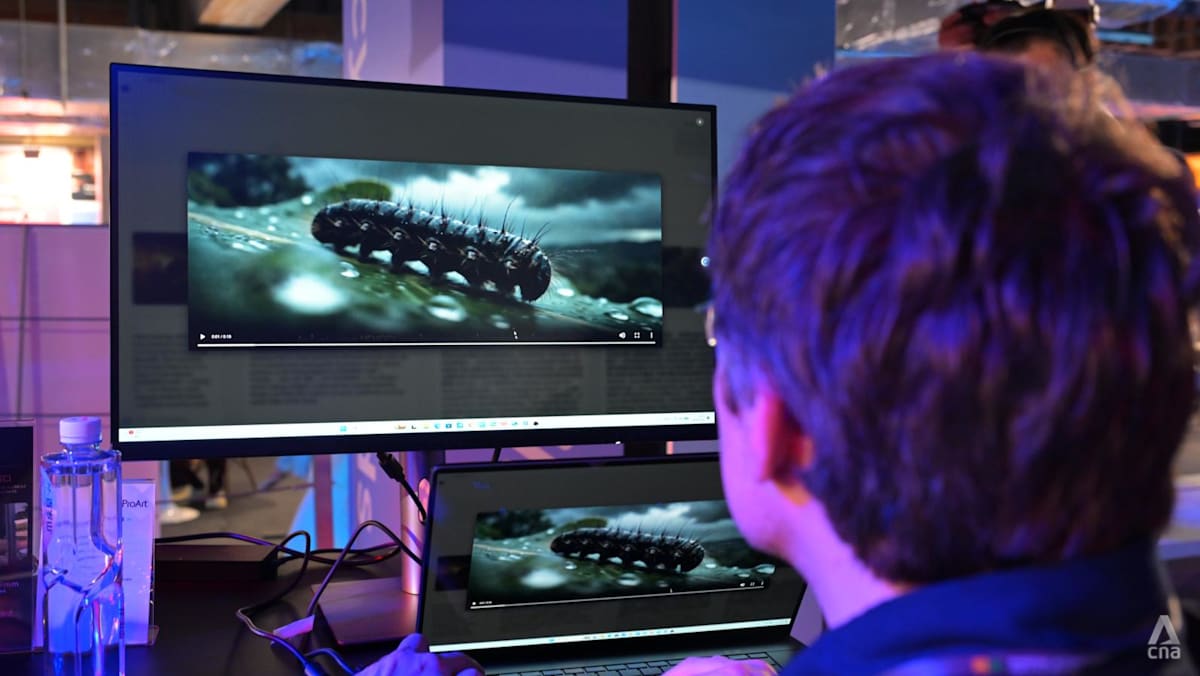
AI Domination in Microdramas:
China’s entertainment sector is witnessing a radical transformation as Artificial Intelligence reshapes filmmaking production. By the first quarter of 2026, over 95 per cent of all newly released microdramas were produced using AI-generated content, representing an explosive shift from near-zero adoption just one year prior. This rapid transition is fundamentally altering the traditional production pipeline and the professional opportunities available to domestic cast and crew members.
Technological Disruption:
The rise of AI-driven tools allows for high-velocity creation of bite-sized, serialised content, which has become immensely popular among Chinese mobile audiences. The efficiency of AI allows creators to iterate, test, and release episodes at a fraction of the cost and time of human-led productions. This shift raises significant concerns regarding the long-term impact on employment within the industry, as traditional roles are increasingly supplanted by software capable of scripting, editing, and generating visual sequences that satisfy audience demand for quick, daily narratives.
Implications for Filmmakers:
Industry stakeholders are currently navigating this plot twist, evaluating how to maintain human creative integrity while leveraging the undeniable efficiency of automated platforms. While the current output is dominated by AI-generated narratives, experts are observing a period of intense experimentation that may redefine the future of cinematic arts in China. The trend suggests that while traditional long-form productions remain intact, the micro-content market has effectively moved to an automated model. As technology evolves, global filmmakers are watching these trends closely to understand how domestic entertainment standards may adapt or collide with international production norms.
Pulse Intelligence
AI AnalysisContext & Background
- China's digital microdrama market has seen massive growth since 2024, driven by smartphone accessibility and social media platform integration.
- Generative AI technology advancements in early 2025 allowed for consistent character and scene generation, enabling the shift toward fully automated narrative production.
Key Consequences
- Significant downward pressure on wages and employment opportunities for low-to-mid-tier production roles in the domestic microdrama sector.
- A widening gap between high-budget cinematic films and AI-generated social media content regarding audience expectations and production values.
- Increased regulatory scrutiny regarding copyright ownership of entirely AI-generated film content within China's digital media ecosystem.
Market & Economic Impact
Major disruption expected in the domestic film production services sector.