
July 8, 2026 at 07:09 AM 2 min readhealthanalysis
Adapting Monsoon Health Practices and Maternal Systems
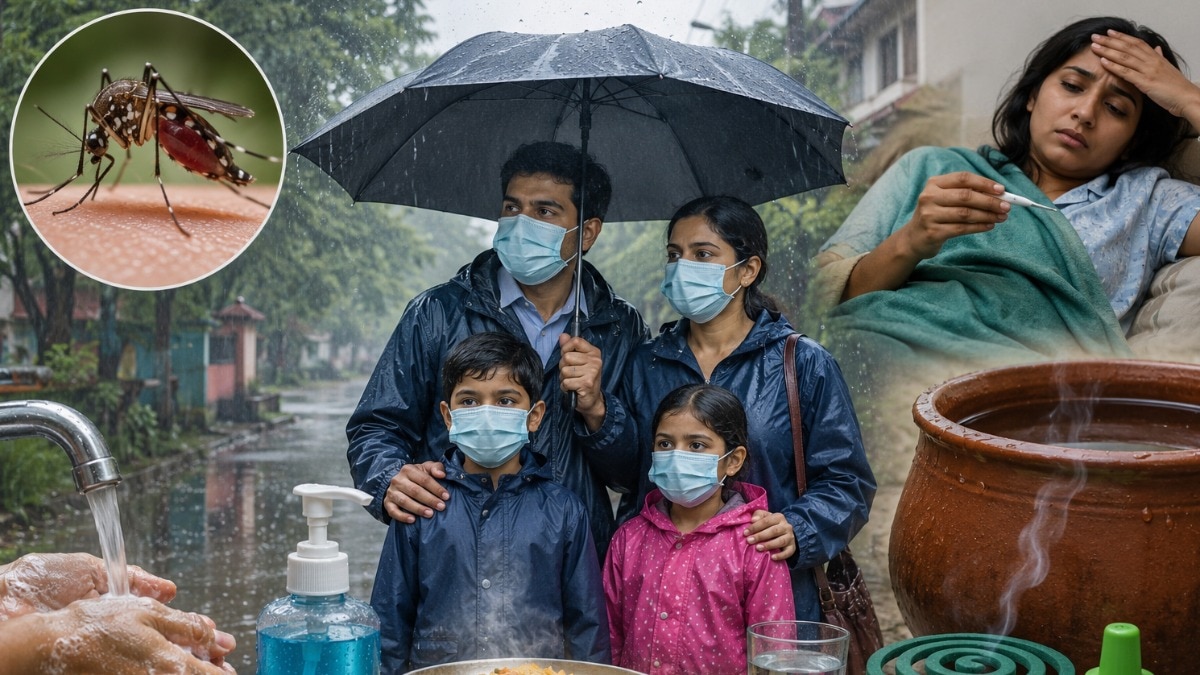
Monsoon Health Management:
As the monsoon season peaks, health experts are emphasizing self-care habits to prevent seasonal illnesses common during this period. Key advice includes maintaining rigorous personal hygiene, drinking boiled water to avoid waterborne infections, and adopting immune-boosting diets. Medical professionals specifically urge the avoidance of street foods and raw vegetables that may harbor bacteria due to increased humidity and contamination risks.
Climate and Infrastructure:
Beyond individual health, the impact of changing weather patterns on public systems is increasingly evident. Recent academic analysis highlights that India’s maternal health systems were largely designed for historical climate conditions that no longer exist. As extreme heat and unpredictable rainfall events rise, these existing structures face significant stress tests. Experts call for an immediate update to public health infrastructure to ensure maternal safety during increasingly hot and volatile monsoon seasons.
Strategic Adjustments:
Improving resilience requires integrating climate data into public health planning, such as better cooling infrastructure in maternity wards and more robust outreach during weather emergencies. Building monsoon immunity at work through small lifestyle adjustments also remains a focus for the urban population. These combined strategies aim to protect long-term health gains as India’s climate landscape continues to undergo significant shifts.
Pulse Intelligence
AI AnalysisContext & Background
- India has seen steady progress in maternal health indicators over the last two decades.
- The current monsoon season has prompted widespread health advisories regarding hygiene and food safety.
Key Consequences
- Increased focus on climate-resilient healthcare infrastructure may influence future government health spending.
- Public health campaigns are likely to pivot towards emphasizing climate-linked hygiene practices.
Market & Economic Impact
No direct market impact.