
June 28, 2026 at 11:04 PM 2 min readtechanalysis
3D Printing Clothing: Innovation Versus Daily Practicality
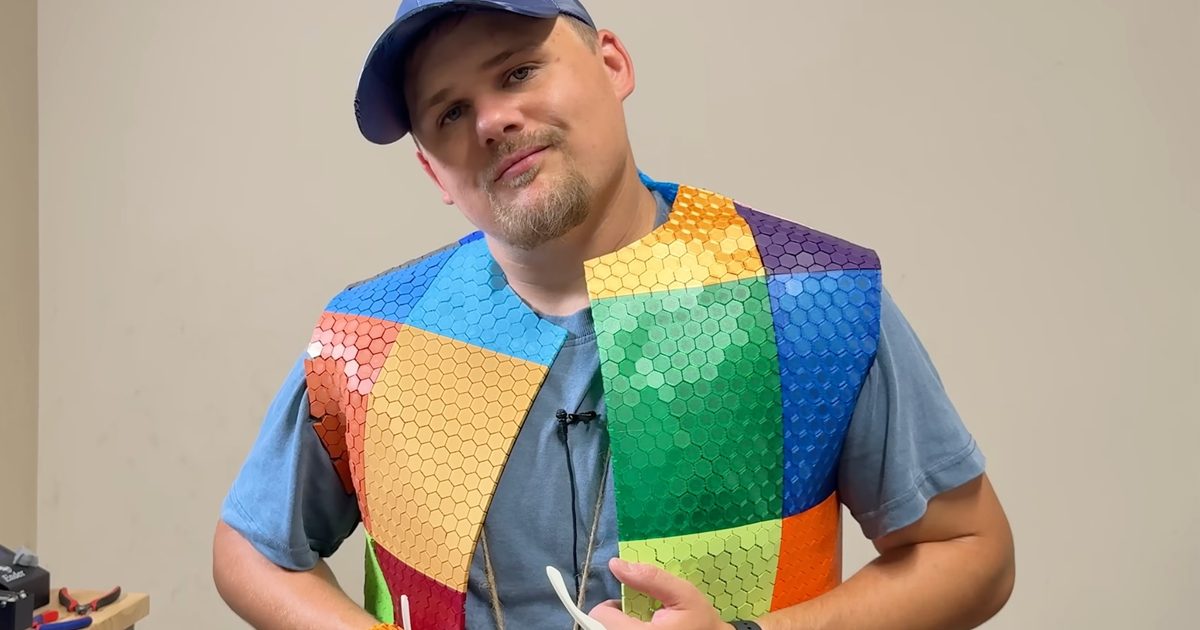
The Rise of 3D-Printed Fashion:
A recent viral experiment has highlighted the technical feasibility and extreme challenges of 3D printing an entire outfit. A YouTuber recently spent 33 hours modeling a design followed by 560 hours of printing to produce a wearable set. While the project proves the capability of consumer-grade hardware to create complex clothing structures, it also underscores the immense time and effort currently required for such artisanal feats.
Manufacturing Hurdles and Resource Costs:
The primary barriers to 3D-printed clothing remain material limitations and production timelines. Unlike traditional mass manufacturing, which uses automated looms and sewing, 3D printing requires layering flexible filaments that often struggle to match the comfort and breathability of cotton or polyester. The extreme duration—nearly 600 hours for a single outfit—reveals that current technology is designed for prototyping rather than functional garment production.
Future Implications for Fashion:
This development signals a potential shift in the luxury and custom tailoring markets, where hyper-personalized apparel could eventually be printed on-demand. For the average consumer, however, the technology is not yet ready for mass adoption. While the aesthetic results can be impressive, the current trade-offs in comfort and cost-efficiency make 3D printing a niche interest for hobbyists rather than a viable alternative to the global textile supply chain.
Pulse Intelligence
AI AnalysisContext & Background
- 3D printing technology has rapidly expanded from industrial prototyping to home-based hobbyist manufacturing.
- The fashion industry is exploring sustainable manufacturing methods to reduce waste and water consumption associated with fast fashion.
Key Consequences
- Expect more niche luxury fashion houses to experiment with small-run, 3D-printed accessories and structural pieces.
- Hobbyist demand for more flexible, skin-safe 3D printing materials will likely increase in the coming years.
Market & Economic Impact
No direct market impact.